
One of the most important choices a student will make is what to do after school, and it’s rarely easy. Students may make decisions they aren’t truly committed to due to pressure from several sources, inadequate information, and fear of making the wrong decision. It all comes down to clarity. The journey seems less difficult and more doable when students know what they’re aiming for and why. A school in Nagpur that takes this seriously doesn’t just prepare students for exams — it helps them think practically about where they’re headed and what it actually takes to get there.
Lack of Clear Goal Setting in Early Academic Years
Most students start school focused entirely on the present — the next test, the next holiday, the next grade. Thinking about where all of it is leading rarely happens until much later, and by then some opportunities have already passed. When students develop even a basic sense of direction early on, it changes how they approach their studies — what they pay attention to, what they put effort into and what they’re willing to work through when things get difficult. When visiting a Top School in Nagpur, you will often find students applying classroom concepts to practical situations.
Choosing Subjects Without Understanding Future Requirements
Choosing subjects based on what friends are doing or what seems manageable is a pattern that plays out more often than most students would admit. The problem surfaces later — when the stream doesn’t connect to anything they actually want to do and switching feels costly. Stream selection after 10th carries more weight than it might seem in the moment because it narrows or opens doors depending on what gets chosen. At a School in Nagpur, understanding how different subjects relate to future career paths often helps students make more informed decisions about their future.
Ignoring Personal Strengths While Planning Career Direction
While making judgements, many students neglect their individual abilities. While some people may be artistic or expressive, others may have strong logical reasoning skills. Students make better decisions regarding their future when they are aware of their potential. During CBSE School Admission, proper counselling helps students recognise what suits them best instead of following others.
Not Researching Industry Demand Before Decision Making
Picking a career without understanding where that field is heading is a risk that doesn’t always show up immediately — but it tends to show up eventually. Skills that were in demand ten years ago might not be as valuable today due to changing job markets. Students who develop an awareness of these trends early are in a better position to make choices that hold up over time, rather than ones that simply made sense in the moment.
Confusion Caused by Too Many Career Options
Having too many options can be just as difficult as having none. Students today face a wider range of career paths than any previous generation, and without proper guidance that variety can feel more overwhelming than exciting. Narrowing things down requires a structured approach — understanding strengths, researching fields and making decisions one step at a time rather than all at once. At a Top School in Nagpur, students are often guided through career planning in a structured way, helping them make informed decisions about their future.
Avoiding Professional Guidance During Career Planning
Deciding everything alone feels independent until it leads somewhere confusing. Many students resist asking for guidance — from teachers, counsellors or anyone who has seen students face the same crossroads before. That experience matters more than most students realise. Someone who has watched enough students make choices — and seen which ones worked out and which didn’t — can offer a perspective that’s hard to arrive at on your own. The value of that support isn’t in being told what to do, it’s in having someone help you see your own options more clearly.
Misjudging the Importance of Skill Development Timeline
The belief that skill-building can wait is one that quietly costs students more than they realise. Confidence, communication, problem-solving — these don’t develop overnight or on their own. Starting small and staying consistent is what actually works, and the earlier that habit forms the more natural it becomes. Students who begin during their school years arrive at the next stage with a genuine advantage over those who assumed there would be time for it later.
Planning Careers Based on Temporary Motivation
Choosing a path because it looks exciting right now is a trap that’s easy to fall into. Trends shift and enthusiasm fades — what holds up over time is genuine interest in the work itself, not how it looks from the outside. Telling the difference between short-term appeal and long-term fit is often the most important thing a student figures out before making a major decision.
Overlooking Competitive Exam Requirements Early On
Entrance exam preparation that starts too late rarely goes well — the content piles up, the timeline shrinks and the pressure that follows is almost always avoidable. Early awareness of what different exams require gives students the time to prepare steadily rather than frantically. Understanding the landscape well in advance doesn’t just reduce stress — it keeps options open that last-minute preparation tends to close.
Not Understanding Education-to-Career Pathway Structure
Most students study subjects without knowing where they lead — and that gap shows up later when choices become harder to reverse. Understanding how classroom learning connects to real career paths changes how students approach their studies. That clarity comes from being shown the connection early, not after the decision has already been made.
Depending on Random Online Advice Without Verification
Online advice is easy to find and hard to verify. Students who follow it without questioning the source can end up making decisions based on information that was never meant for their situation. Building future skills for students in the right direction requires more than motivation — it requires guidance from people who understand what different paths actually involve, not just what sounds convincing online.
Failing to Create a Step-by-Step Career Roadmap
Knowing what you want is only the starting point — knowing how to get there is a different challenge entirely. Without a clear path broken into manageable steps, even a well-defined goal can feel out of reach. Higher education planning works best when it’s treated as a series of small, consistent actions rather than one large ambition. At CBSE Schools in Amravati Road, practical planning and goal-setting are often introduced through activities that help students think ahead and make informed decisions. Visit to know more about higher studies after school
FAQs – Common Mistakes Students Make While Planning Their Future
1. Why is career planning important?
Career planning helps students set clear goals and avoid confusion in the future.
2. What is a common mistake in stream selection after 10th?
In stream selection after 10th, students often choose subjects based on pressure instead of interest.
3. How can students build future skills?
Students can develop future skills for students through regular practice and learning new things.
4. Why do students struggle with higher education choices?
Higher education feels confusing when students lack proper guidance and awareness.
5. How do schools help in career decisions?
Schools provide guidance and support that help students understand their strengths and choose suitable career paths.
Conclusion
A student’s future may be impacted by early decision-making errors, but they can be prevented with the right knowledge and direction. Students can make better academic and personal decisions when they are aware of their interests and strengths. Schools are crucial in this process because they offer structure, encouragement, and the ideal setting for development. The first step in creating a solid foundation is selecting the appropriate school at the time of admission, and ongoing education and support enable students to confidently pursue their objectives and future success.
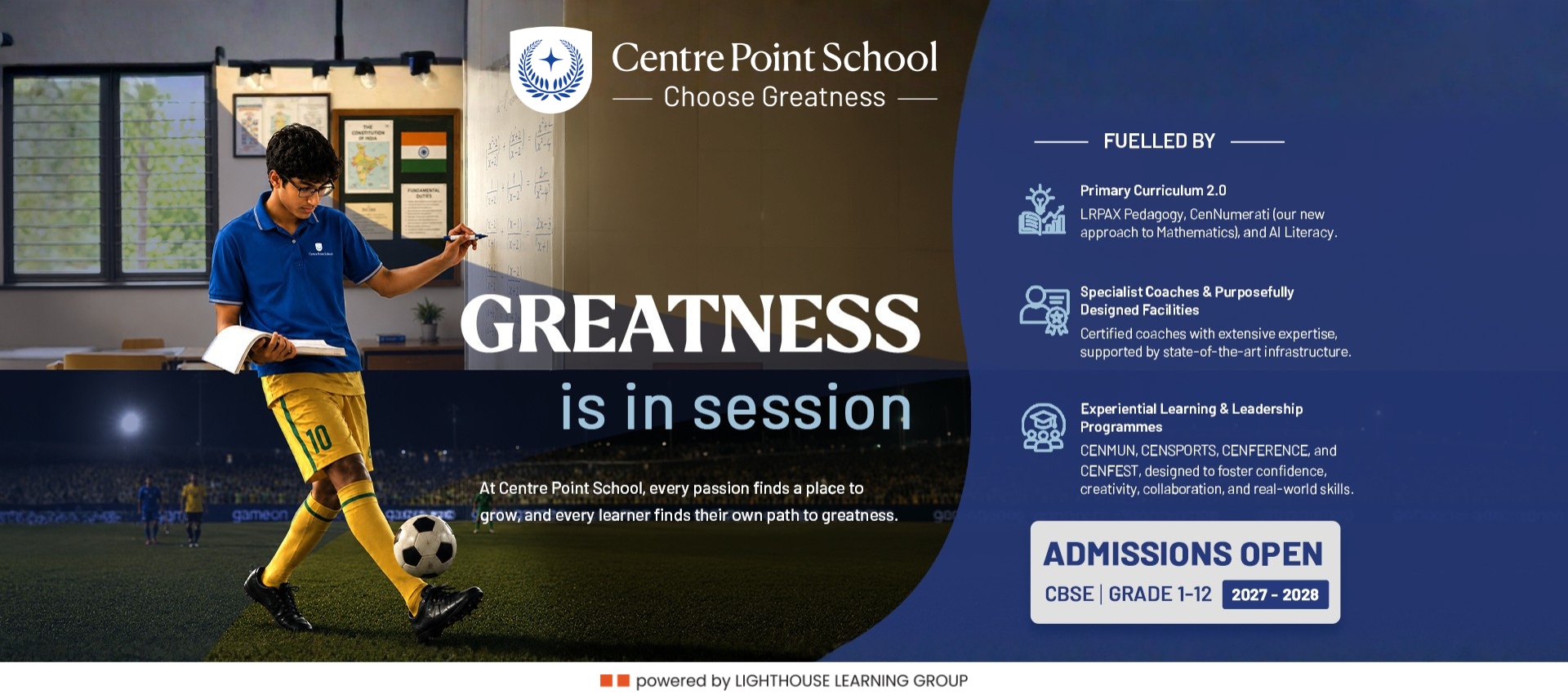
Students at Centre Point School are assisted in developing an early understanding of their objectives and making well-informed decisions on their academic path, particularly at critical stages such as subject selection and future career decisions. The school helps students avoid typical mistakes and develop clarity about their future with a heavy emphasis on structured learning and customised support. CBSE Schools in Amravati Road provide a holistic atmosphere where learning and skill development go hand in hand for families looking for high-quality educational opportunities. To guarantee a solid foundation for long-term success, parents seeking the best start for their child can also check into Centre Point School’s CBSE school admission in Nagpur.